Why Bathroom Ventilation Problems Lead to Ceiling Mold and How to Fix It
How a Lack of Airflow Creates a Perfect Home for Mold
Bathrooms are the dampest rooms in most homes. Every shower, bath, or even a long hand wash releases warm, moisture-laden air into the space. When that air has nowhere to go, it settles on the coolest surface it finds, often the ceiling. Over time, this constant moisture feeds mold growth, turning a clean bathroom into a musty, unhealthy environment. The connection between poor ventilation and ceiling mold is direct, but many homeowners don't realize how small changes in airflow can prevent a big problem.
Ceiling mold is not just an eyesore. It can damage paint, drywall, and even the structure above. More importantly, mold spores can affect indoor air quality and trigger allergies or respiratory issues. Understanding how ventilation works, and what happens when it doesn't, is the first step toward effective bathroom mold remediation.
The Role of Ventilation in Bathroom Moisture Control
Ventilation serves one main purpose: to exchange stale, humid indoor air with drier outdoor air. In a bathroom, this means removing the steam and moisture produced during use before it condenses on surfaces. The most common ventilation system is an exhaust fan, usually mounted on the ceiling or wall, that pulls moist air out of the room and vents it outside. Some bathrooms also rely on passive ventilation, like a window that opens, but that depends on weather and occupant behavior.
When ventilation is inadequate, the air in the bathroom becomes saturated. Relative humidity can hit 90 percent or higher within minutes of a hot shower. Under these conditions, water vapor condenses on the coolest surfaces, typically the ceiling, especially if it is not insulated well or if the room is on a top floor. This condensation provides the moisture mold needs to germinate and spread. Even a thin film of water left overnight can support mold growth on paint or drywall.
Common Ventilation Problems That Encourage Ceiling Mold
Several specific issues can turn a bathroom into a mold-friendly zone. Recognizing them helps you address the root cause rather than just cleaning the visible spots.
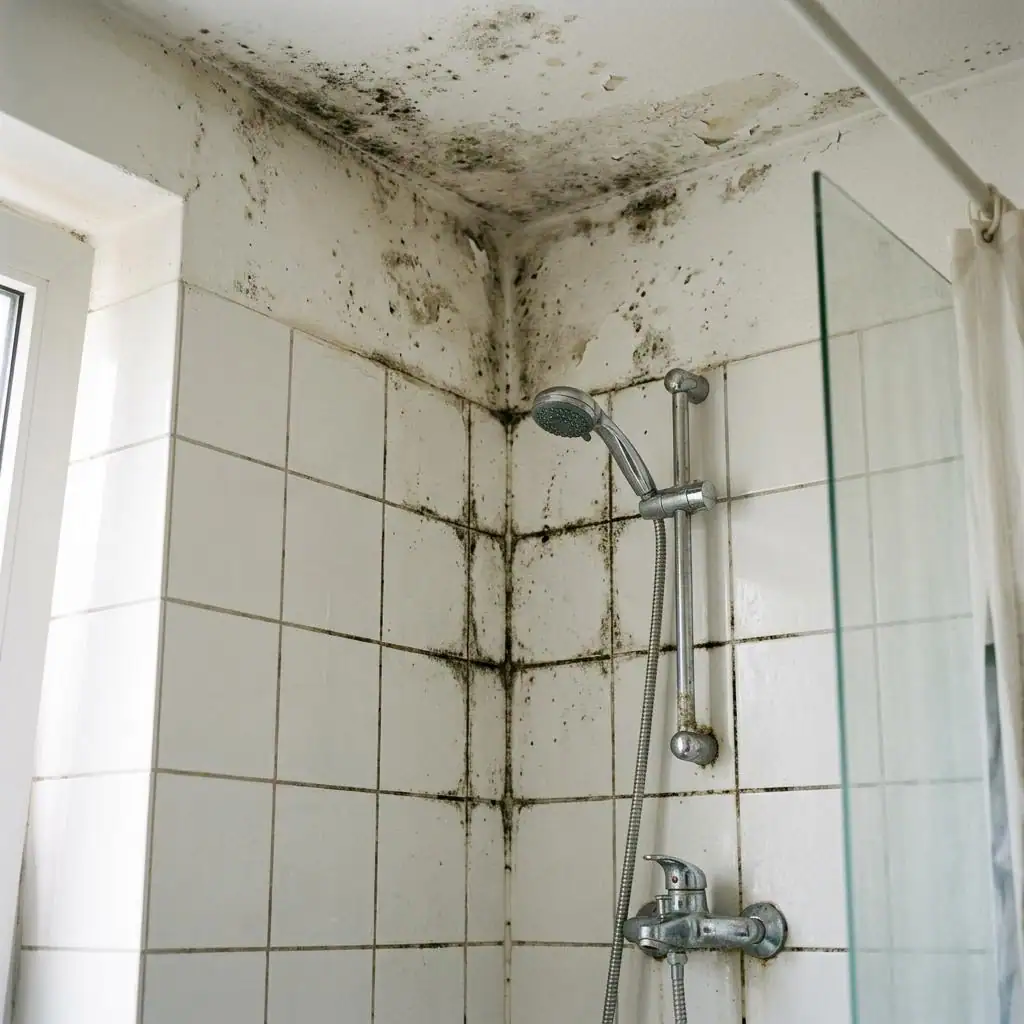
- Undersized or weak exhaust fans. A fan that moves too little air for the room size cannot clear steam fast enough. For example, a small fan in a large master bath may run for thirty minutes without dropping humidity noticeably.
- Fans that vent into the attic or a wall cavity. Some older homes route exhaust into the attic space rather than outdoors. This dumps moist air into hidden areas, where it can cause mold in the attic and also recirculate back into the bathroom through gaps.
- No timer or humidistat control. Many bathroom fans run only while the light switch is on. People often leave before the fan has fully cleared the moisture, shutting it off while humidity is still high.
- Blocked or dirty fan grilles and ducts. Dust, lint, and debris can reduce airflow by half or more. A fan that sounds like it is running may be moving very little air.
- Poorly placed or missing windows. A window can help, but only if it is opened during and after bathing. In cold weather, people rarely open a window, leaving the bathroom sealed.
Each of these problems can be fixed, but the first step is knowing what to look for. If you notice condensation on the ceiling after a shower, or if you see dark spots forming near the edges, your ventilation likely needs attention.
How Ceiling Mold Develops and Spreads
Mold spores are everywhere, in the air, on surfaces, and on our clothes. They only become a problem when they find moisture and a food source. Bathroom ceilings offer both: moisture from condensation and organic material in dust, paint binders, or even the paper face of drywall. Once spores land on a wet ceiling, they can germinate within 24 to 48 hours. Within days, small black or green patches appear. Left unchecked, the colony spreads, releasing more spores into the air.
The location of ceiling mold often tells you something about the ventilation problem. Mold concentrated near the shower or tub suggests the fan is not pulling steam away from that area. Mold along the edges of the ceiling, especially near walls, may indicate poor insulation or a cold spot that condenses moisture more readily. Mold around the fan grille itself can mean the fan is recirculating humid air or that the duct is clogged.
Beyond the visual damage, ceiling mold can affect the room's structure. Drywall becomes soft and crumbly when wet for long periods. Paint peels. The ceiling may sag or stain. And the musty odor that often accompanies mold can be hard to eliminate without addressing the moisture source.
Practical Steps for Improving Bathroom Ventilation
Improving ventilation does not always require a full renovation. Many problems have simple fixes, though some may need professional help. Here is what to consider.
Check Your Exhaust Fan
First, make sure the fan actually vents to the outside. Look for a vent cap on the roof or an exterior wall. If you cannot find one, or if the duct seems to go into the attic, the fan may be dumping moist air into the building's structure. That is a common cause of hidden mold and should be corrected by a contractor who can route the duct to the outdoors.
Next, test the fan's airflow. A simple method: hold a piece of toilet paper up to the grille while the fan is running. A strong fan will hold the paper in place. If it drops or barely holds, the fan may be undersized, the duct may be blocked, or the motor may be weak. Cleaning the grille and duct can sometimes restore airflow. If not, upgrading to a fan with a higher CFM (cubic feet per minute) rating for your bathroom size is a good investment.
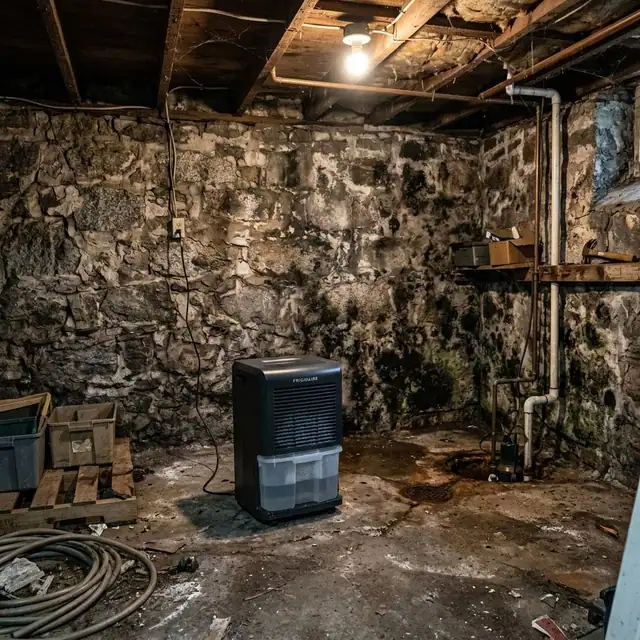
Consider adding a timer switch or a humidistat. A timer lets the fan run for 15 to 30 minutes after you leave the room, ensuring all moisture is cleared. A humidistat turns the fan on automatically when humidity rises above a set level, so it runs even if you forget to flip the switch.
Use Passive Ventilation Wisely
If your bathroom has a window, open it during and after bathing, even in winter, just for a few minutes. That brief exchange of air can drop humidity significantly. A window that is cracked open also creates cross-ventilation if the exhaust fan is running, helping the fan work more efficiently.
Keep the bathroom door open when the room is not in use (and during showers if privacy allows). This allows drier air from the rest of the house to mix with the humid bathroom air, reducing the chance of condensation on the ceiling. However, during a shower, a closed door helps the exhaust fan pull air from the room rather than from the hallway, so find a balance that works.
Address the Ceiling Surface
If you already have mold on the ceiling, you need to clean it before fixing the ventilation. Use a mild detergent solution or a commercial mold cleaner. Wear gloves and a mask, and scrub gently to avoid spreading spores. After cleaning, dry the ceiling thoroughly. If the drywall is damaged or soft, it may need to be replaced. A coat of mold-resistant paint can help, but it is not a substitute for proper ventilation.
For ongoing prevention, consider a bathroom-specific exhaust fan with a humidity sensor. These fans run automatically when needed and shut off once the air is dry. They cost more upfront but save energy and prevent mold more reliably than manual switches.
When Ventilation Alone Is Not Enough
Sometimes, even a well-functioning exhaust fan cannot keep a ceiling dry. This can happen in bathrooms with very high ceilings, poor insulation, or chronic dampness from a leaking roof or pipe. In those cases, the moisture problem goes beyond ventilation. You may need to address hidden moisture sources, such as a slow leak behind the ceiling or in the wall. Damaged materials like waterlogged drywall or rotten framing should be removed and replaced. That is where professional bathroom mold remediation becomes necessary.
Mold Removal Boston Pros bathroom mold remediation services focus on the full picture: visible growth, hidden moisture, damaged materials, and ventilation problems. A trained technician can inspect the bathroom, identify all contributing factors, and recommend a plan that addresses both the symptoms and the root cause. For many homeowners, this integrated approach is more effective than trying to tackle each issue separately.
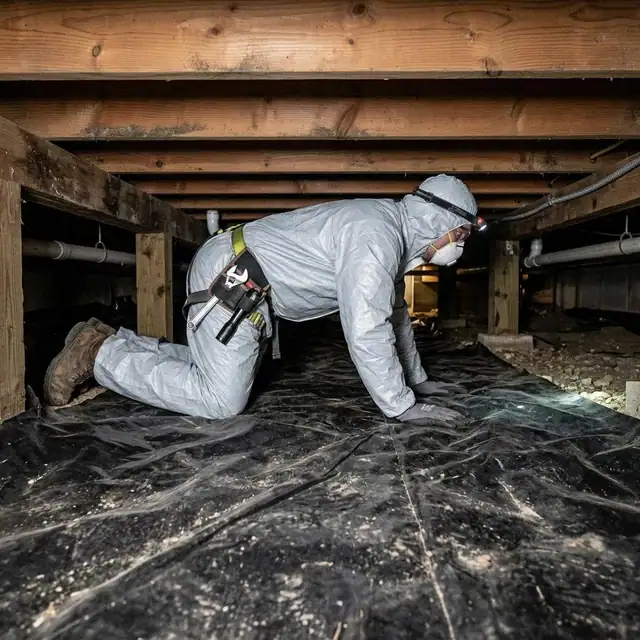
Mold Removal Boston Pros bathroom mold remediation also includes guidance on improving ventilation after the cleanup. They can help you choose the right fan size, duct routing, and controls for your specific bathroom layout. Because every bathroom is different, a one-size-fits-all solution rarely works. Getting expert advice can save time and prevent future mold returns.
What This Means for You
Bathroom ceiling mold is a sign that your ventilation is not keeping up with moisture. The good news is that most ventilation problems are fixable. By checking your exhaust fan, improving airflow, and addressing any hidden leaks, you can stop mold before it starts. If the problem persists, professional remediation can handle the tough cases.
Prevention is always easier than cleanup. A few simple changes, upgrading a fan, adding a timer, opening a window, can keep your bathroom dry and mold-free. And if you ever need help, a service like Mold Removal Boston Pros can step in with targeted solutions that go beyond surface cleaning. Taking action now saves you from dealing with a bigger mess later.